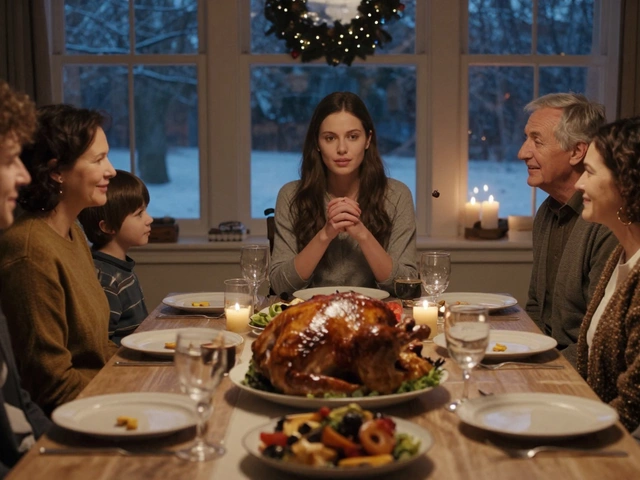
It’s the time of year when everyone’s supposed to be joyful, wrapped in wool sweaters and laughing over roast turkey. But for some, the holidays bring a different kind of pressure - the kind that comes from being out to your family but still feeling like you’re living in a house of whispers. If you’re in sex work and you’ve told your parents, siblings, or cousins that you are, you know this feeling well. You’re not hiding anymore. But that doesn’t mean you’re safe. Not really.
There’s a strange kind of loneliness that comes with being uncloseted but still uncomfortable. You sit at the dinner table, your aunt asks if you’re seeing anyone, and you say yes - casually, like it’s no big deal. You don’t say he’s a client from Manchester. You don’t say you met him at a bar near King’s Cross. You don’t say you’re one of the many women who travel for work, sometimes even to places like London, where euro girls escort london are part of a quiet, well-worn economy. You just say yes, and change the subject. And then you spend the rest of the night wondering if they noticed how long you paused before answering.
They know you’re working. But do they know what that means?
When you first told your family, you thought it would be the end of the tension. You imagined relief. Instead, you got silence. Or worse - questions that felt like traps. "So you’re not doing it for drugs, right?" "Are you safe?" "Do you ever get scared?" They mean well. But every question feels like a tiny knife twisting. They don’t ask about your rent, your savings, your favorite client who brings you tea. They ask about danger. As if that’s the only thing that matters.
Sex work isn’t a monolith. It’s not one story. It’s not a tragedy. It’s not a moral failing. For many, it’s a job. A job that pays better than retail. A job that lets you work from home, set your own hours, and take time off when you need it. But none of that matters when your cousin says, "I just don’t understand how you can live like that," while eating the stuffing you made.
The holiday script doesn’t include you
Every year, the same rituals repeat. The carols. The gift exchange. The obligatory family photo where everyone’s smiling but no one’s really there. You used to love these things. Now, you feel like an actor in a play you didn’t audition for. You’re expected to play the role of "the good daughter," "the responsible sister," "the one who’s turned her life around." But you didn’t turn your life around. You just changed the way you pay your bills.
You don’t get to say, "I make more money than Uncle Mark, and I don’t have to wear a suit to do it." You don’t get to say, "I chose this because it gives me freedom." You don’t get to say, "I’m not broken. I’m not lost. I’m not a victim." Because if you do, the room goes quiet. And then someone says, "Well, at least you’re not doing it on the street."
That line - "at least you’re not doing it on the street" - cuts deeper than you’d think. It implies that your work is only acceptable if it’s hidden, if it’s "professional," if it’s done in a way that doesn’t offend the sensibilities of people who think sex work is only real when it’s dangerous and dirty. Meanwhile, the women who work in flats, online, or through agencies - the ones who get paid in cash, not pity - are invisible. Even to their own families.
What your family doesn’t see
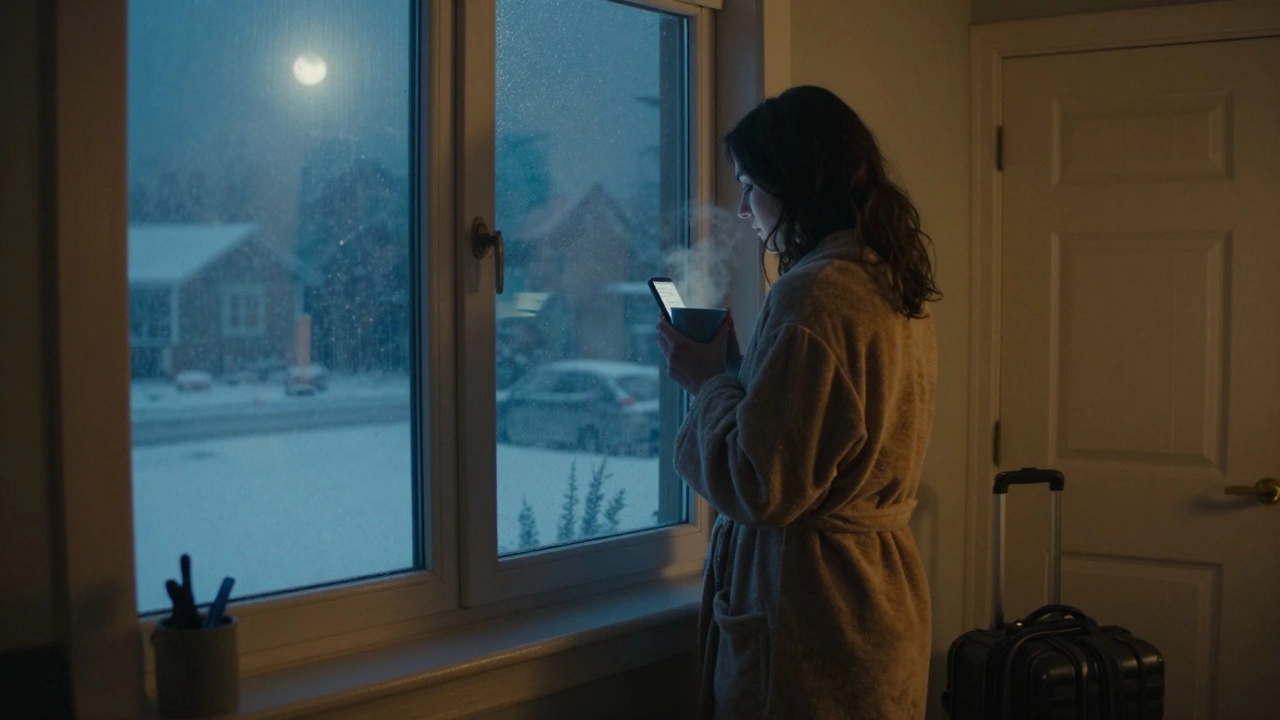
They don’t see the 3 a.m. texts you ignore because you’re too tired to explain why you can’t come over. They don’t see the way you double-check your locks before you leave the house, even when you’re just walking to the mailbox. They don’t see the bank statements showing consistent deposits every Friday, or the fact that you paid off your student loan two years early. They don’t see the therapist you see once a month because talking to your family about your day feels like walking into a minefield.
They don’t see the woman who drove three hours from Brighton to meet a client in London, then took the train back home before sunrise. They don’t see the woman who learned how to edit videos so she could offer custom content - a job that pays more than most office roles. They don’t see the woman who said, "I’m not doing this forever," and then did it for five years and saved enough to buy a small apartment in the suburbs.
And they sure as hell don’t see the woman who looked at the calendar and thought, "I can’t do this again," and then booked a flight to Berlin just to get out of the house for a week. Because sometimes, the only way to survive the holidays is to leave them behind.
The silence between the presents
The worst part isn’t the judgment. It’s the silence. The way your mom changes the subject every time you mention your work. The way your dad nods and says, "I’m proud of you for being independent," but never asks what you do for fun on your days off. The way your little sister whispers to her friends, "My sister’s a model," and then laughs like it’s a joke.
You start to wonder: Is it better to be known? Or is it better to be left alone? You’ve told them. You’re out. But you’re still not seen. And that’s the real ache.

How to survive the holidays - without losing yourself
You don’t have to fix them. You don’t have to make them understand. But you do have to protect your peace.
- Set boundaries early. Tell them you won’t talk about work at dinner. Not because you’re ashamed - because you’re tired.
- Bring a friend. Someone who gets it. Someone who won’t flinch when you say, "I work in adult entertainment." A friend can be your emotional anchor when the family starts asking questions.
- Plan your exit. If the room gets too heavy, have a reason to leave. A call you need to take. A friend waiting in the car. A movie you promised yourself you’d watch.
- Give yourself permission to not be okay. It’s okay to cry in the bathroom. It’s okay to skip the gift exchange. It’s okay to say, "I’m not in the mood for this today."
- Remember: Their discomfort is not your responsibility. You didn’t ask for their approval. You asked for their love. And love doesn’t always come with understanding.
And if you need to, take a break from the holidays entirely. Book a weekend trip. Stay with a friend. Go somewhere where no one knows your name. You deserve a season that doesn’t feel like a performance.
It’s okay to be uncomfortable
Being uncloseted doesn’t mean you’re free. It just means you’re no longer lying. And that’s enough.
You’re not broken. You’re not wrong. You’re not a cautionary tale. You’re a person who chose a path that doesn’t fit neatly into the holiday card. And that’s okay.
There’s a whole world of women doing this work - quietly, bravely, successfully. Some work in London. Some work in Berlin. Some work from their bedrooms in Brisbane. They don’t need your approval. They don’t need your pity. They just need space to exist.
And so do you.
Next year, you might still sit at that table. But you won’t be the same person. You’ll be the one who didn’t apologize. The one who didn’t shrink. The one who remembered - even when the room went quiet - that your life is yours to live.
And if you ever need to hear it again: you’re not alone. There are others out there. Watching the same snow fall. Sitting in the same silence. Holding the same truth: that love doesn’t have to look like a Christmas card to be real.
And maybe, just maybe, that’s enough.